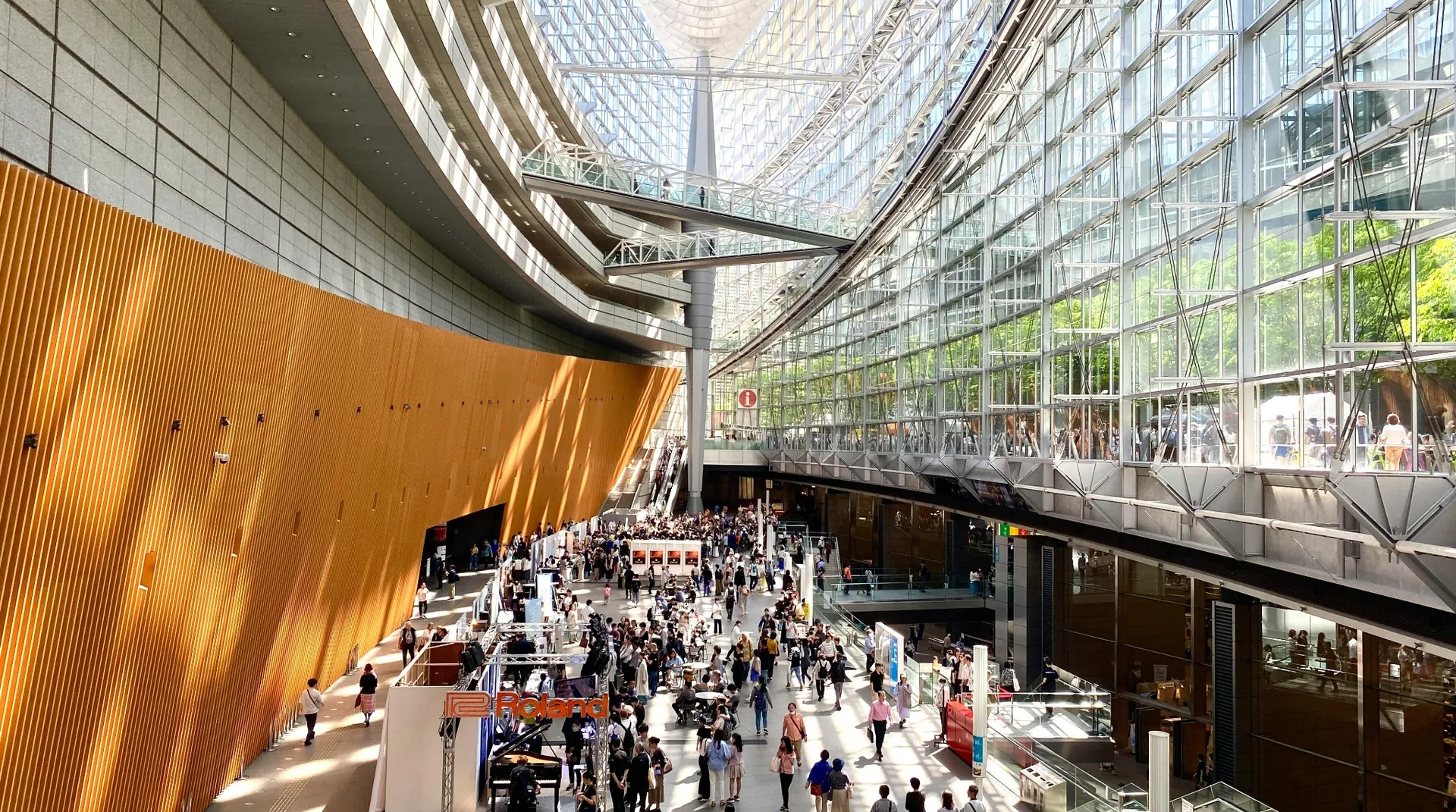
Exhibitions, trade shows, and conferences remain some of the most expensive — and potentially rewarding — activities in a marketing calendar. Stand design and build, staffing, travel, sponsorship, and logistics quickly add up. For SMEs in the UK and Ireland, these costs can feel daunting. But when planned strategically, exhibitions can deliver some of the highest returns of any marketing investment.
The problem? Too many businesses treat events as a “tick box” exercise. They show up, hand out brochures, collect a few business cards, and wonder why the numbers don’t stack up. The truth is, maximising exhibition ROI UK requires more than just being there. Success comes from a blend of pre-event planning, smart stand design, on-the-day execution, and post-event follow-up.
In this guide, we’ll walk through each stage of the exhibition journey — from planning to measuring results — with practical, people-first advice tailored to SMEs.
Not all shows are created equal. For smaller businesses, it’s often better to attend a niche, highly relevant exhibition than a broad, crowded one. The audience may be smaller, but your likelihood of meaningful conversations — and conversion — will be higher.
Go beyond vague goals like “increase awareness.” Set measurable targets such as:
With defined objectives, you can design your stand, messaging, and activity around outcomes that matter.
The work begins long before you arrive on site. Effective pre event marketing for exhibitions could include:
Remember: people rarely wander trade show floors aimlessly anymore. They plan their time. Make sure you’re on their agenda before the doors even open. For extra tips on structuring campaigns to avoid overwhelm, read From Overwhelmed to Organised: How SMEs Can Tame Modern Marketing Chaos.
Your exhibition stand is your brand’s avatar. In a sea of competitors, it’s what signals who you are and why people should stop to talk.
Stand design and build UK best practice includes:
From stand visuals to staff uniforms, everything should reflect your brand identity. This is where your visual brand guidelines come alive. If you’ve invested in professional branding, this is the moment to showcase it. And if you’re using interactive demos or tech displays to engage visitors, our blog The Human Edge in AI Marketing: Blending Tech with Authenticity explores how technology and people can work together to create memorable experiences.
When the show floor opens, the real test begins.
Your people are your most valuable exhibition asset. Brief them not just on product details, but on how to:
Relying on business cards is outdated. Use badge scanners, QR codes, or tablets with forms that feed straight into your CRM. Categorise leads as “hot,” “warm,” or “cold” at the point of capture to simplify follow-up.
Interactive displays, live demos, or even simple conversation starters make your stand memorable. Giveaways are fine — but make them purposeful. A branded notebook is easily forgotten. An exclusive download, free consultation, or event-only discount creates stronger follow-up opportunities.
The moment the exhibition ends, most exhibitors breathe a sigh of relief. But this is actually the most important stage.
Reach out within 24–48 hours while conversations are still fresh. Reference something specific from the meeting to show genuine interest.
Not every lead is ready to buy. Sort your contacts into:
Build tailored nurture campaigns for each segment.
Exhibitions generate content gold. Use photos, presentations, or insights to create:
This not only extends the event’s value but also strengthens your brand presence online.
You can’t claim ROI without measuring it. Exhibition ROI UK should be tracked using a mix of financial and brand metrics:
A simple ROI formula is:
ROI = (Revenue from event – Total event cost) ÷ Total event cost
This gives you a baseline for future shows and helps justify budgets. For more guidance on focusing only on what counts, read Measuring What Matters: A Clear Guide to Marketing ROI for SMEs.
Not every business can afford the biggest stand. But you can still punch above your weight with smart tactics:
It’s not about outspending competitors. It’s about outsmarting them.
Here’s a step-by-step checklist to keep handy:
Before the event:
During the event:
After the event:
If you’d like expert support in planning your next exhibition or event strategy, explore our Services.
Exhibitions and trade shows are undeniably expensive. But they can also be game-changing for SMEs that approach them with purpose. With the right stand design, clear objectives, proactive pre-event marketing, and disciplined post-event follow-up, you can achieve a return that outpaces other channels.
At People First Digital, we believe in blending creativity with clarity to help SMEs make the most of every opportunity. Exhibitions are no different. With the right strategy, your next event could become one of the most valuable investments your business makes.
If you’re planning your next exhibition and want to make sure it delivers maximum ROI, let’s talk. We’ll help you design a strategy that works before, during, and long after the event.